




The Middle East region, led by the United Arab Emirates, Saudi Arabia, Qatar, and other Gulf Cooperation Council (GCC) nations, has emerged as a global epicenter of infrastructure development, industrial expansion, and technological innovation. At the heart of this transformation lies advanced manufacturing technologies that enable the construction of world-class facilities capable of withstanding the region’s extreme environmental conditions. Wedge welding technology has become indispensable across multiple industries, providing reliable, efficient, and environmentally sustainable joining solutions for thermoplastic materials. This comprehensive exploration examines the five most significant applications of wedge welding technology throughout Middle East industries, highlighting how this technology addresses unique regional challenges while supporting ambitious development goals.
1. Water Management and Conservation Infrastructure
The Critical Importance of Water Security
Water scarcity represents the Middle East’s most pressing environmental challenge. With annual rainfall in many areas measuring less than 100mm and groundwater resources rapidly depleting, nations throughout the region have invested billions in water infrastructure including desalination facilities, storage reservoirs, distribution networks, and agricultural water conservation systems. The success of these initiatives depends heavily on containment systems that prevent precious water resources from escaping through seepage or evaporation.
Reservoir and Storage Tank Liners
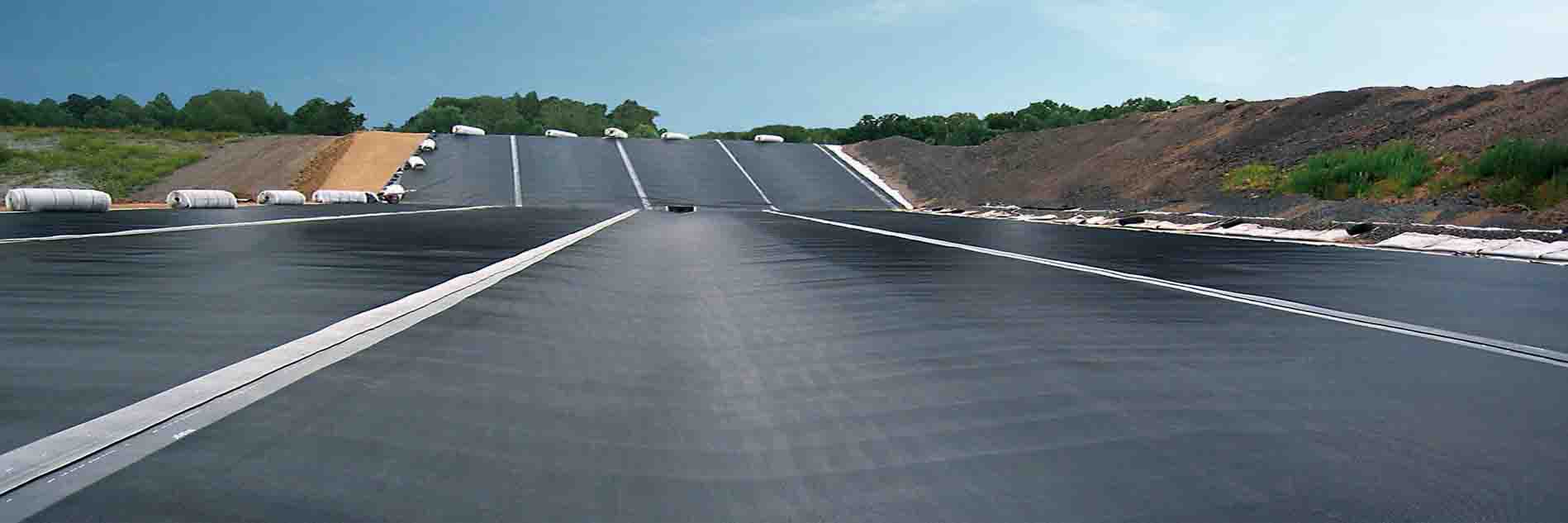
Wedge welding technology has revolutionized the construction of water storage facilities across the Middle East. High-density polyethylene (HDPE) and reinforced polypropylene (RPP) geomembranes, joined using automated wedge welding equipment, create impermeable barriers in facilities ranging from small agricultural ponds to massive strategic water reserves.
The UAE’s extensive network of groundwater recharge dams in areas like Hatta exemplifies this application. These facilities capture seasonal rainfall and direct it to aquifer recharge zones, with geomembrane liners preventing water loss during the infiltration process. Similarly, Saudi Arabia’s agricultural sector relies on lined irrigation reservoirs throughout regions like Al-Jouf and Hail, where wedge-welded containment systems enable efficient water management for date palm cultivation and vegetable production.
Dubai’s strategic water reserves, maintained by the Dubai Electricity and Water Authority (DEWA), utilize advanced geomembrane systems providing days of emergency water supply for the emirate’s population. The reliability required for such critical infrastructure makes wedge welding’s consistent seam quality and high strength-to-weight ratios essential.
Desalination Plant Components
The Middle East produces approximately 70% of the world’s desalinated water, with massive facilities dotting coastlines from Oman to Kuwait. These plants incorporate numerous containment systems, brine disposal ponds, and pre-treatment facilities where wedge-welded thermoplastic liners provide corrosion resistance and longevity that traditional concrete cannot match.
Brine concentration ponds, which use solar evaporation to reduce disposal volumes, cover enormous areas requiring millions of square meters of geomembrane. The speed advantage of automated wedge welding makes these installations economically feasible, with teams completing thousands of linear meters of seaming daily. Working with a reliable Dubai based wedge welding supplier ensures contractors access equipment capable of handling these large-scale projects while maintaining the quality standards these critical installations demand.
Agricultural Water Conservation
Modern Middle Eastern agriculture increasingly employs advanced irrigation techniques including drip systems and subsurface irrigation networks. Wedge-welded geomembranes line canals and distribution channels, dramatically reducing water loss compared to unlined earthen channels where seepage can consume 40-60% of transported water.
Greenhouse operations throughout the region, particularly in Kuwait, Qatar, and the UAE, incorporate sophisticated water recycling systems with wedge-welded collection sumps and containment structures ensuring that drainage water is captured, treated, and reused rather than lost to evaporation or ground infiltration.
2. Environmental Protection and Waste Management
Landfill Engineering Solutions
Middle East nations are addressing waste management challenges with increasing sophistication, moving beyond simple disposal toward engineered containment facilities meeting international environmental standards. Modern landfills incorporate multiple barrier systems preventing leachate contamination of groundwater resources already stressed by over-extraction and limited recharge.
Qatar’s domestic solid waste management program includes state-of-the-art engineered landfills with comprehensive geomembrane lining systems. These installations feature primary HDPE liners, leachate collection systems, and secondary containment barriers—all utilizing wedge welding technology to create reliable seals protecting the environment from hazardous materials.
The UAE’s landfill facilities in emirates including Dubai, Sharjah, and Abu Dhabi employ similar multi-layer protection systems. Dubai’s waste management infrastructure, overseen by Dubai Municipality, mandates stringent liner installation standards with comprehensive quality assurance programs verifying every meter of wedge-welded seaming through non-destructive and destructive testing protocols.
Industrial Waste Containment
Petrochemical complexes, oil refineries, and manufacturing facilities throughout the Gulf region generate industrial waste requiring specialized containment. Saudi Arabia’s massive industrial cities including Jubail and Yanbu host dozens of facilities with hazardous waste storage areas lined with chemical-resistant thermoplastic membranes.
Secondary containment for tank farms, chemical storage areas, and loading facilities increasingly utilize wedge-welded geomembrane systems providing reliable barriers that prevent soil and groundwater contamination. These installations must withstand exposure to aggressive chemicals, extreme temperatures, and decades of service without failure—requirements that wedge welding’s superior seam strength readily meets.
Tailings and Mining Applications
The Middle East’s diversifying economy includes growing mining operations extracting valuable minerals including copper, gold, phosphates, and industrial minerals. These operations generate tailings requiring secure containment to prevent environmental contamination.
Oman’s copper mining industry and Saudi Arabia’s expanding mining sector utilize wedge-welded tailings pond liners managing slurries and process water. The technology’s ability to create large containment areas quickly and reliably makes it economically advantageous while meeting environmental protection requirements that have grown increasingly stringent across the region.
3. Commercial and Residential Roofing Systems
Single-Ply Membrane Revolution
The Middle East’s construction boom has transformed skylines from Dubai to Riyadh, with each building requiring robust roofing systems capable of withstanding extreme conditions. Single-ply thermoplastic roofing membranes, particularly TPO (thermoplastic polyolefin) and PVC (polyvinyl chloride), have captured significant market share from traditional built-up and modified bitumen systems.
Wedge welding provides the optimal installation method for these membranes, creating seams significantly stronger than the adhesive-bonded joints used with competing systems. Dubai Marina’s high-rise towers, Abu Dhabi’s Reem Island developments, and Doha’s Lusail City projects increasingly specify wedge-welded roofing systems for their superior performance and longevity.
Green Roof and Plaza Deck Installations
Sustainability initiatives throughout the Gulf region promote vegetated roofs and plaza decks as methods to reduce urban heat island effects, manage stormwater, and provide amenity spaces. These installations require sophisticated waterproofing systems that prevent root penetration while managing irrigation water and seasonal rainfall.
The UAE’s push toward net-zero carbon emissions has accelerated adoption of green building technologies. Projects like Dubai’s The Sustainable City and various LEED-certified developments utilize wedge-welded root-resistant membranes as foundation systems for rooftop gardens and recreational spaces. The technology’s reliability proves essential where waterproofing failures would damage not only the roof assembly but also expensive landscaping and potentially occupied spaces below.
Extreme Climate Performance
Middle East roofing systems endure punishing conditions including surface temperatures exceeding 70°C, intense UV radiation, and occasional extreme weather events. Traditional roofing materials often fail prematurely under these conditions, while thermoplastic membranes joined by wedge welding maintain performance throughout 25-30 year service lives.
The reflective properties of white TPO and PVC membranes contribute to building energy efficiency by reducing cooling loads—a significant advantage in climates where air conditioning represents 60-70% of building energy consumption. Saudi Arabia’s building code revisions increasingly favor reflective roofing systems, driving wedge-welded thermoplastic membrane adoption throughout the kingdom.
4. Oil and Gas Industry Applications
Secondary Containment Systems
The Middle East’s oil and gas industry, foundation of the region’s economic prosperity, operates under increasingly stringent environmental regulations requiring comprehensive spill prevention and containment systems. Tank farms, loading facilities, and processing areas must incorporate secondary containment preventing petroleum products from contaminating soil and groundwater.
Saudi Aramco, ADNOC (Abu Dhabi National Oil Company), and other regional energy giants specify wedge-welded HDPE geomembranes for secondary containment bunds surrounding storage tanks. These installations must resist petroleum hydrocarbons, withstand extreme temperatures, and provide decades of reliable service—requirements that wedge welding technology readily satisfies.
Produced Water Management
Oil and gas extraction generates enormous volumes of produced water requiring treatment before disposal or reuse. Evaporation ponds, treatment facility components, and disposal systems throughout Middle East oil fields utilize wedge-welded liners managing these challenging waste streams.
The technology proves particularly valuable in remote desert locations where traditional concrete construction would be prohibitively expensive and time-consuming. Portable wedge welding equipment enables field installation teams to construct containment systems on-site using materials transported to location, providing logistical advantages in areas with limited infrastructure.
Pipeline Corrosion Protection
While not a traditional application, innovative uses of wedge welding technology include fabrication of corrosion protection wraps for pipeline systems. Thermoplastic sheets protecting buried pipelines from corrosive soils can be field-fabricated using portable welding equipment, extending pipeline service life in challenging soil conditions found throughout the region.
5. Infrastructure Development and Civil Engineering
Transportation Infrastructure Waterproofing
The Middle East’s ambitious transportation infrastructure expansion includes metro systems, highway networks, tunnels, and bridges requiring comprehensive waterproofing to ensure longevity. Below-grade structures face particular challenges from groundwater infiltration and soil chemistry that can attack traditional waterproofing materials.
Dubai Metro’s expansion, Saudi Arabia’s Riyadh Metro project, and Qatar’s Doha Metro all incorporate wedge-welded waterproofing membranes protecting tunnels, underground stations, and below-grade structures. These installations must provide absolute reliability—failures would necessitate extraordinarily expensive repairs disrupting operations in heavily used transportation systems.
Bridge deck waterproofing represents another critical application, protecting structural concrete from chloride intrusion in coastal environments where saltwater exposure accelerates corrosion of reinforcing steel. The region’s numerous coastal highways and bridges, including iconic structures like Qatar’s Lusail Crossing and the UAE’s Sheikh Mohammed bin Zayed Bridge, utilize thermoplastic waterproofing membranes installed with wedge welding technology.
Tunnel Construction
Long-distance tunnels including water conveyance tunnels, vehicular tunnels, and utility corridors require comprehensive waterproofing systems managing groundwater infiltration. Wedge-welded PVC and EVA (ethylene vinyl acetate) waterproofing membranes installed behind tunnel linings create impermeable barriers directing water to controlled drainage systems.
Oman’s Muscat Expressway tunnels and various UAE transportation projects demonstrate the technology’s capability in these demanding applications. The ability to prefabricate membrane panels in controlled conditions before installation in tunnel environments ensures quality while accelerating construction schedules.
Stadium and Arena Construction
The Middle East’s emergence as a global sports destination has driven construction of world-class venues including Qatar’s FIFA World Cup stadiums and numerous facilities throughout the Gulf region. These structures incorporate sophisticated waterproofing systems protecting below-grade spaces, plaza levels, and building envelopes.
Concourse waterproofing, particularly in areas with vegetation or water features, relies on wedge-welded membranes providing reliable barriers protecting occupied and mechanical spaces below. The technology’s proven performance record and comprehensive quality assurance capabilities satisfy the exacting standards these high-profile projects demand.
Supporting Technologies and Complementary Applications
While wedge welding handles the majority of field seaming in these applications, comprehensive installations require complementary technologies for detail work, repairs, and complex geometries. Progressive contractors maintain relationships with a trusted extrusion welder distributor UAE ensuring access to complete toolsets addressing every project requirement.
Hot air extrusion welding completes penetration details, repairs field damage, and creates connections in areas where automated wedge welding equipment cannot operate. The combination of high-speed wedge welding for field seams and precision extrusion welding for details provides comprehensive capabilities enabling successful project execution across all applications discussed above.
Economic and Environmental Advantages
Beyond technical performance, wedge welding technology offers compelling economic and environmental advantages driving its adoption throughout Middle East industries:
Installation Speed: Automated wedge welding achieves rates exceeding 10-15 meters per minute, dramatically reducing labor costs and project timelines compared to alternative methods.
Quality Consistency: Mechanical joining processes deliver uniform results eliminating the variability inherent in adhesive-based or torch-applied systems dependent on operator technique.
Environmental Sustainability: Elimination of solvent-based adhesives reduces VOC emissions while the recyclability of thermoplastic materials aligns with regional sustainability goals.
Long-Term Performance: Superior seam strength and material durability minimize maintenance requirements and extend service life, reducing lifecycle costs and environmental impact from replacement cycles.
Conclusion
Wedge welding technology has become foundational to Middle East industrial development, enabling construction of infrastructure essential to the region’s continued growth and quality of life. From water conservation systems addressing existential resource challenges to environmental protection facilities managing waste responsibly, from advanced roofing systems on iconic buildings to critical containment in the energy sector, this technology delivers reliability, efficiency, and performance that alternative methods cannot match.
As Middle East nations pursue ambitious development agendas including Saudi Vision 2030, UAE Centennial 2071, and Qatar National Vision 2030, demand for proven technologies addressing regional challenges will only intensify. Wedge welding’s track record of success across diverse applications positions it as an essential tool for contractors, developers, and industries building the Middle East’s future. Understanding these applications and investing in proper equipment, training, and quality control processes enables organizations to participate successfully in one of the world’s most dynamic markets while contributing to sustainable development that will benefit the region for generations to come.









 Pool Tiles


